-

Esther found herself in a position of influence, but influence came with responsibility. When circumstances demanded a difficult decision, she had to choose between preserving her comfort and using her position to help others. Her story reminds us that courage doesn’t require certainty about the outcome. Sometimes the most important…
7–10 minutesContinue reading →: The Middle of the Story Part 5: The Cost of Silence -
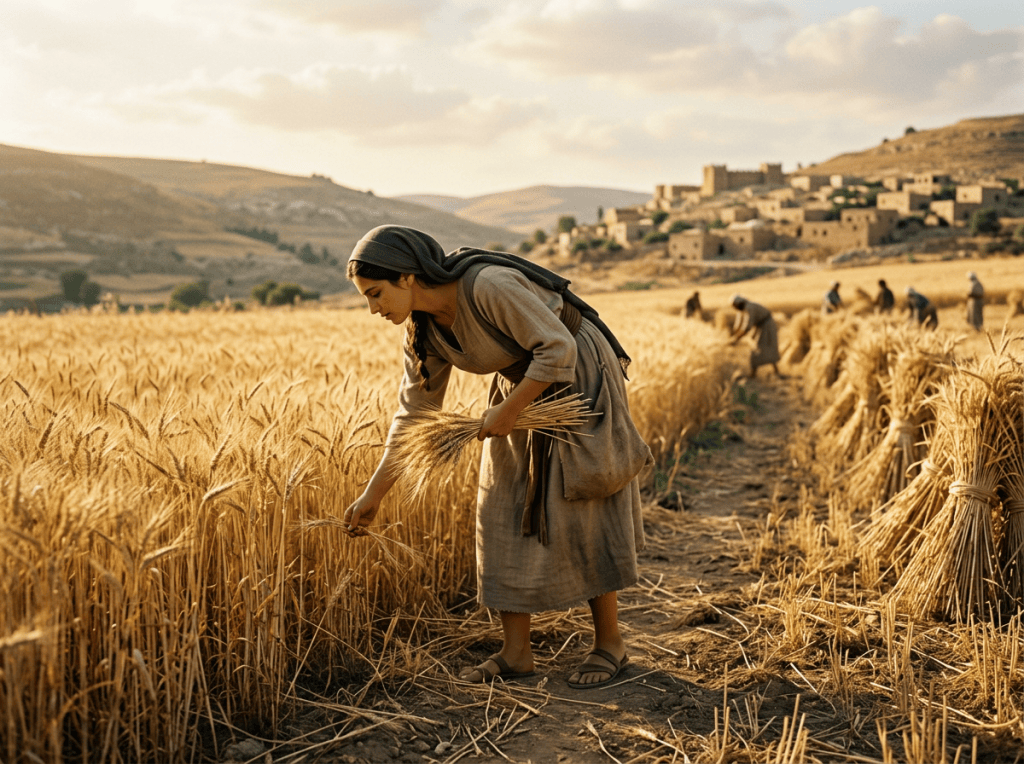
Ruth’s journey from a vulnerable widow to a pivotal figure in biblical lineage highlights themes of loyalty and dignity. Boaz’s protective actions ensured her safety while allowing her to work, emphasizing the importance of treating those in need with respect. Their story underscores the moral responsibility of individuals in positions…
6–9 minutesContinue reading →: The Middle of the Story Part 4: The Cost of Survival -
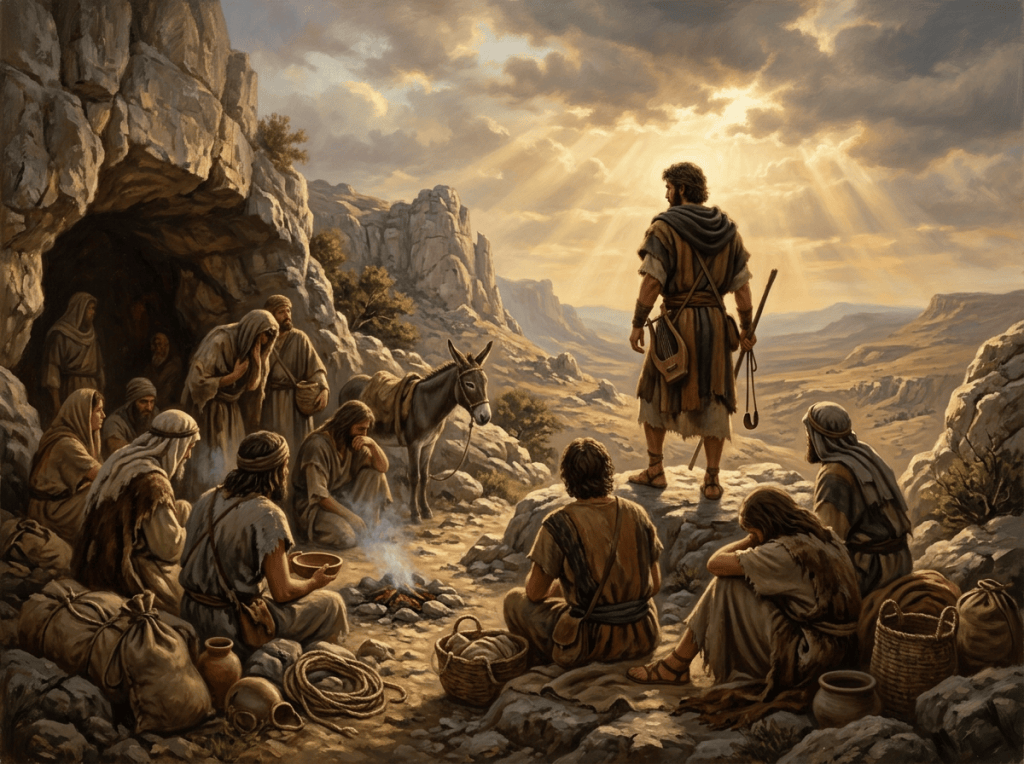
David had been chosen to become king, but before the throne came a cave filled with people carrying struggles of their own. Hundreds gathered around him, looking for direction while he was still searching for stability himself. His story reminds us that leadership doesn’t begin with a title or position.…
6–9 minutesContinue reading →: The Middle of the Story Part 3: The Other Men in the Cave -
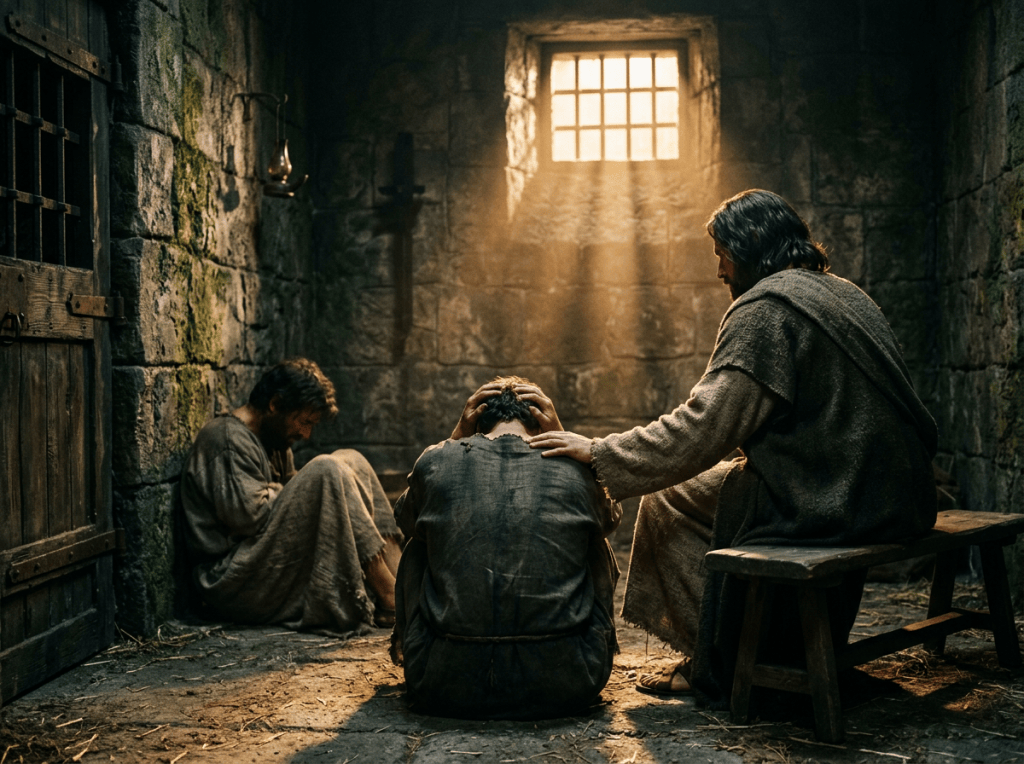
Joseph, despite his own imprisonment and suffering, noticed the distress of two fellow prisoners and asked about their troubles. His compassion highlights the importance of recognizing others’ struggles, even when faced with personal challenges. Joseph’s actions demonstrate that caring for others doesn’t require resolved personal issues; awareness can be an…
5–8 minutesContinue reading →: The Middle of the Story Part 2: The Other Prisoners -

This content emphasizes the complexities of communication, highlighting that different interpretations can arise even when the same words are spoken. It underscores the shared responsibility of speakers and listeners to seek clarity and understanding. Misunderstandings can distort messages and influence future generations, stressing the importance of careful communication and humility.
6–10 minutesContinue reading →: The Weight of Our Words Part Two: The Truth They Thought They Heard -

The content emphasizes the importance of effective communication, using 1 Corinthians 14 as a base to illustrate that speaking the truth is not enough if the audience doesn’t understand. It underscores that responsibility lies with the speaker to ensure clarity and accessibility, as miscommunication can lead to misunderstanding, despite the…
5–8 minutesContinue reading →: The Weight of Our Words Part One: The Truth Nobody Heard -
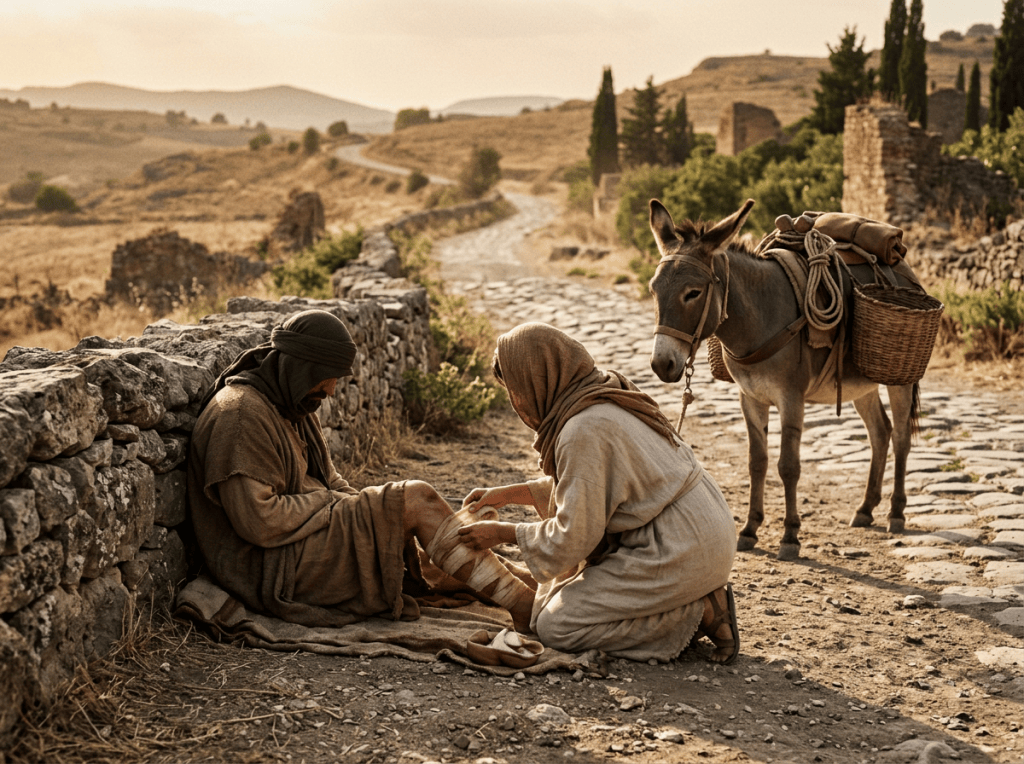
The parable of the Good Samaritan emphasizes not just love for neighbors but challenges the notion of defining who qualifies as a neighbor. Jesus redirects the question of obligation toward the responsibilities of showing mercy, reminding us to examine the often-overlooked details in familiar stories that reveal deeper lessons.
5–8 minutesContinue reading →: The Middle of the Story Part 1: The Parts We Skip -

The text emphasizes living in the present with faithfulness, highlighting biblical figures who faced ordinary days without knowing their significance. It encourages acknowledging the mundane tasks as part of a larger narrative. Trust in God without needing to know the outcome is crucial, as moments often connect in unforeseen ways.
8–12 minutesContinue reading →: The Beginning of the Story Part 12: The Story May Have Already Begun -

Jesus teaches that prayer isn’t about informing God, who already knows our needs, but about fostering a relationship. While He encourages us to ask for daily needs, like bread, prayer reflects dependence, trust, and recognition of God’s sovereignty. Ultimately, it’s a conversation that nurtures our connection with our Father.
7–10 minutesContinue reading →: The Beginning of the Story Part 11: Before You Asked -
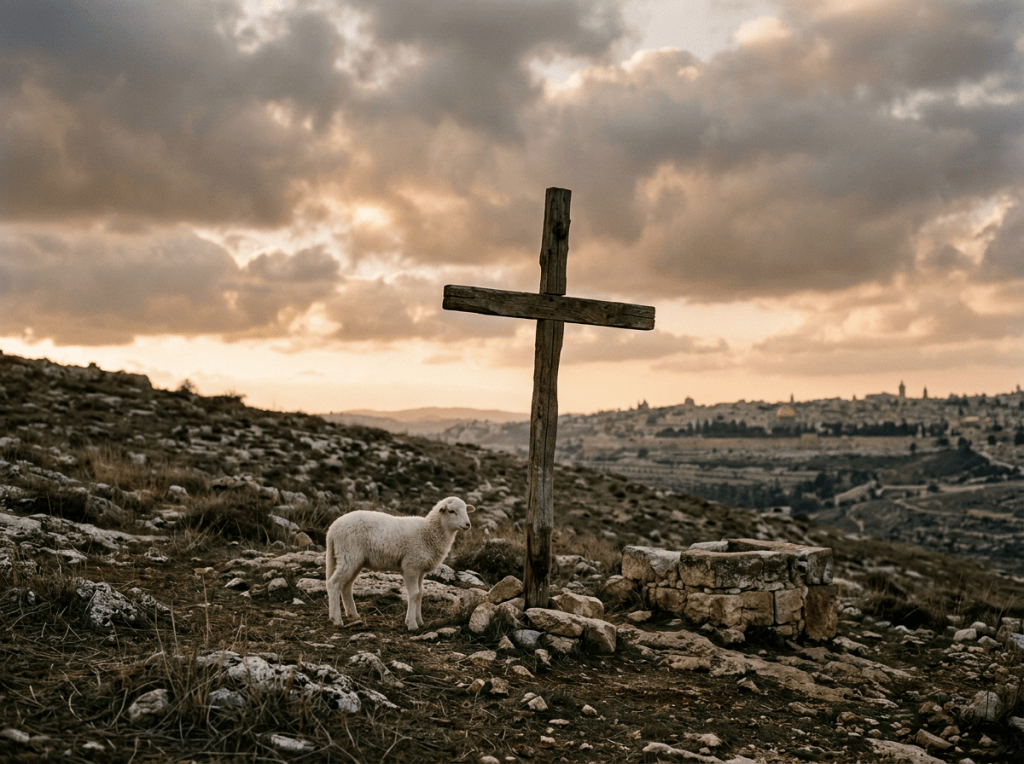
The Cross did not begin at Golgotha. Long before the nails, the crown of thorns, or the empty tomb, God had been telling a story that pointed toward what was coming. The people living those earlier chapters could see only their own moment. We have the advantage of looking backward…
10–15 minutesContinue reading →: The Beginning of the Story Part 10: Before the Cross
1 Corinthians (116) 1 Corinthians 13 (24) 1 John (39) 1 John 4 (21) 1 Kings (29) 1 Peter (38) 1 Samuel (42) 2 Corinthians (100) 2 Corinthians 5 (27) 2 Timothy (41) Acts (82) Colossians (50) Colossians 3 (20) Deuteronomy (50) Ecclesiastes (52) Ecclesiastes 3 (21) Ephesians (89) Ephesians 2 (25) Ephesians 4 (21) Ephesians 5 (22) Ephesians 6 (22) Exodus (73) Ezekiel (32) Faith (21) Galatians (79) Galatians 5 (30) Galatians 6 (26) Genesis (188) Genesis 1 (29) Genesis 2 (58) Genesis 3 (74) Hebrews (127) Hebrews 4 (27) Hebrews 11 (23) Hebrews 12 (25) Isaiah (138) James (111) James 1 (61) James 4 (33) Jeremiah (55) John (221) John 1 (20) John 8 (24) John 14 (33) John 15 (29) Joshua (20) Luke (170) Mark (64) Matthew (276) Matthew 5 (24) Matthew 6 (35) Matthew 7 (46) Matthew 26 (21) Numbers (25) Philippians (82) Philippians 2 (26) Philippians 4 (33) Proverbs (123) Psalm (185) Psalm 23 (25) Psalm 139 (20) Revelation (72) Romans (185) Romans 5 (33) Romans 8 (53) Romans 12 (40)


